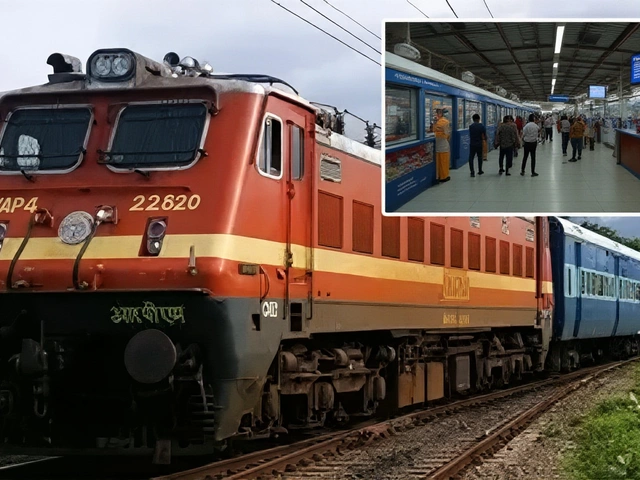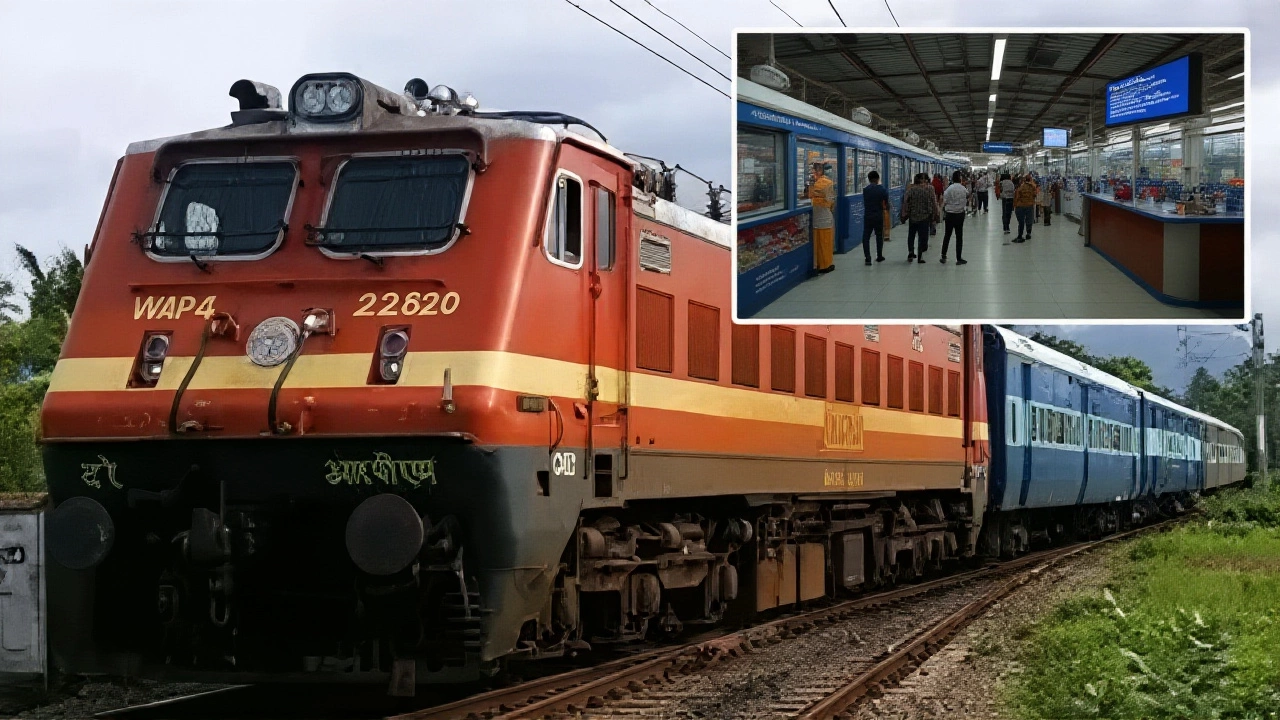
When Ashwini Vaishnaw, Union Railway Minister of Government of India, announced the retirement of the passenger reservation system that has served travelers since 1986, he didn't just promise an update—he promised a complete overhaul. The legacy Passenger Reservation System (PRS), which has been the backbone of ticketing for nearly four decades, is being replaced by an artificial intelligence-driven platform designed to eliminate waiting list anxiety and curb touts.
The shift isn't happening overnight, but the timeline is set. Officials have directed a phased migration starting in August, with major rule changes taking effect from July and October 2025. For millions of daily commuters, this means faster bookings, smarter predictions, and stricter identity verification.
The End of an Era: Replacing the 1986 Legacy
Here’s the thing about the old PRS: it worked, but it was slow. Built in 1986, the system could process roughly 25,000 tickets per minute. That might sound like a lot until you remember how many people try to book during peak seasons or Tatkal windows. The new system aims to handle 1.25 lakh tickets per minute—five times faster than its predecessor.
This speed boost is critical. During festival rushes, servers often crashed under the load. The new infrastructure, powered by modern cloud computing and AI algorithms, is designed to absorb these spikes without breaking a sweat. It’s not just about raw power; it’s about reliability when it matters most.
AI Predictions: Knowing Your Chances Before You Book
The most talked-about feature? A prediction engine built into the new RailOne app. Instead of guessing whether your waitlisted ticket will confirm, the system analyzes historical booking data and trends to give you a probability percentage.
According to reports from NDTV Hindi, the railway ministry claims this AI prediction model is approximately 94% accurate. That’s a game-changer for travelers who previously had to rely on intuition or third-party apps with questionable accuracy. If the system says there’s a 90% chance of confirmation, you can plan your journey with confidence. If it’s low, you know to look for alternatives immediately.
But wait—there’s more. The new interface also simplifies refunds and date changes. Previously, changing your travel date meant canceling your confirmed ticket, paying a cancellation fee, and rebooking. Under the new rules, passengers can modify their travel dates without incurring cancellation charges. This small tweak removes a significant financial penalty for flexible travelers.
Tatkal Rules Tighten: Aadhaar Verification Becomes Mandatory
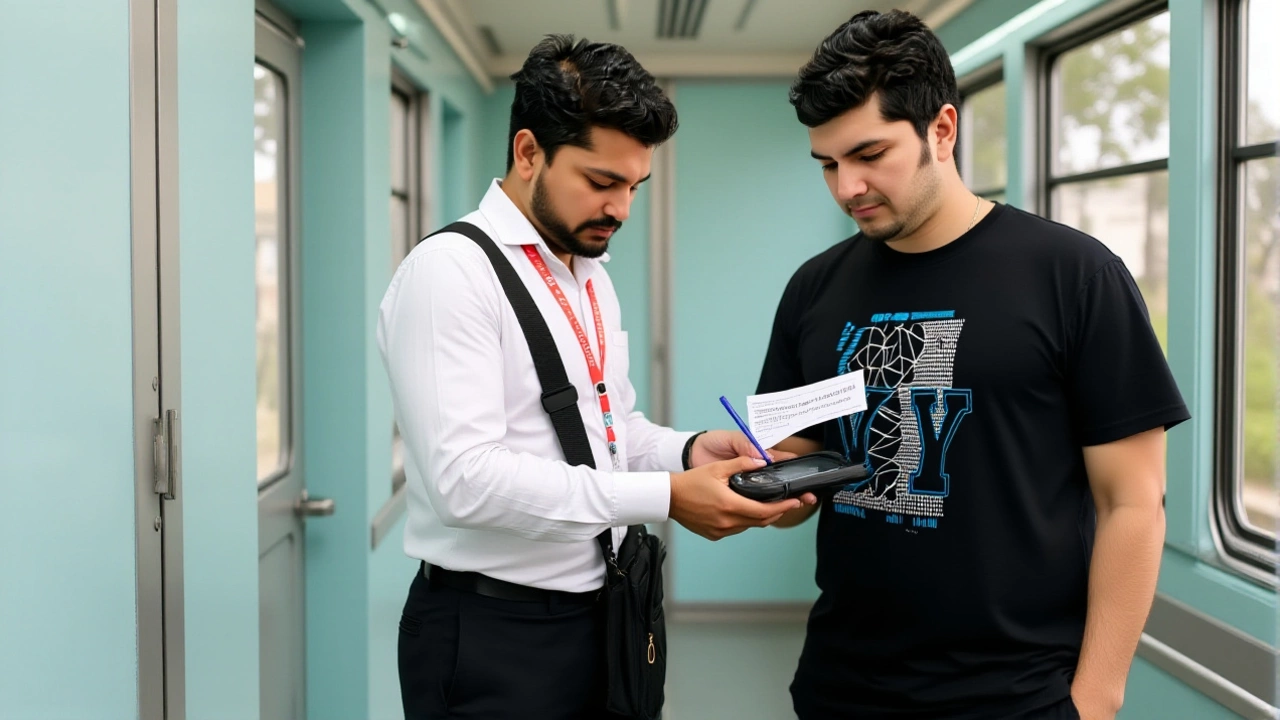
If you’ve ever tried to book a Tatkal ticket online, you know the frustration of fighting bots and touts. To combat this, the railways are introducing strict identity verification. Starting July 15, 2025, Aadhaar-based OTP verification will be mandatory for all online Tatkal bookings.
Here’s how it works: when you attempt to book, a one-time password will be sent to the mobile number linked to your Aadhaar card. Without entering this OTP, the booking won’t go through. This measure directly targets fake accounts and professional touts who hoard tickets.
Furthermore, from October 1, 2025, linking your IRCTC account to Aadhaar will become compulsory. But the crackdown doesn’t stop there. In the first 10 minutes after the Tatkal window opens, only users with verified Aadhaar-linked accounts can book tickets. IRCTC agents are barred from booking during this initial window, ensuring genuine passengers get the first shot at limited seats.
Specific time slots are also reserved exclusively for direct passengers. AC class Tatkal bookings between 10:00 AM and 10:30 AM, and non-AC classes between 11:00 AM and 11:30 AM, will be restricted to individual users, further limiting agent interference.
General Ticket Changes and Child Fares
The reforms extend beyond premium bookings. General ticket reservations now include a 15-minute exclusive window before the general reservation opens, available only to Aadhaar-linked users. This ensures that regular commuters aren’t outmaneuvered by automated scripts.
Interestingly, buying general tickets at station counters remains unchanged. No ID proof is required for counter purchases, keeping the system accessible for those without digital access. However, online convenience comes with responsibility—your digital identity must be verified.
Parents should also note updated child fare rules. Children under five travel free if they don’t occupy a separate seat. For kids aged 5 to 12, half-fare applies unless a separate berth is requested, in which case full fare is charged. Children over 12 are treated as adults and pay full price. These rules clarify previous ambiguities, helping families budget accurately.

What’s Next for Indian Railways?
The transition to the new system is a massive logistical undertaking. With millions of users migrating simultaneously, glitches are possible. However, the phased approach starting in August allows for testing and adjustments before the stricter October rules kick in.
Experts suggest that while the technology is promising, user education will be key. Many older passengers may struggle with Aadhaar linking and OTP processes. The railways will need to provide robust support channels to assist these users.
Ultimately, this overhaul represents a significant step toward modernizing India’s largest public transport network. By leveraging AI and biometric verification, the goal is clear: fairer access, faster service, and fewer headaches for every traveler.
Frequently Asked Questions
When will the new AI booking system fully replace the old PRS?
The migration begins in August 2025 with a phased rollout. Major rule changes, including mandatory Aadhaar linking for certain bookings, take effect from July 15 and October 1, 2025. The old 1986 system will be completely retired as trains are shifted to the new platform.
How accurate is the AI prediction for waitlist confirmation?
The railway ministry claims the AI prediction feature in the RailOne app is approximately 94% accurate. It uses historical booking data and trends to calculate the probability of a waitlisted ticket getting confirmed, helping passengers make informed decisions.
Is Aadhaar verification mandatory for all train tickets?
Aadhaar-based OTP verification is mandatory for online Tatkal bookings starting July 15, 2025. From October 1, 2025, linking your IRCTC account to Aadhaar becomes compulsory for accessing these benefits. However, buying general tickets at physical station counters does not require ID proof.
Can I change my travel date without paying a cancellation fee?
Yes, under the new rules, passengers can modify the travel date on confirmed tickets without incurring cancellation charges. This eliminates the need to cancel and rebook, saving money and hassle for travelers with flexible plans.
What are the new rules for children's train tickets?
Children under five travel free if they do not occupy a separate seat. Kids aged 5 to 12 pay half-fare unless a separate berth is requested, in which case full fare applies. Children over 12 are considered adults and must pay full fare for any seat or berth.