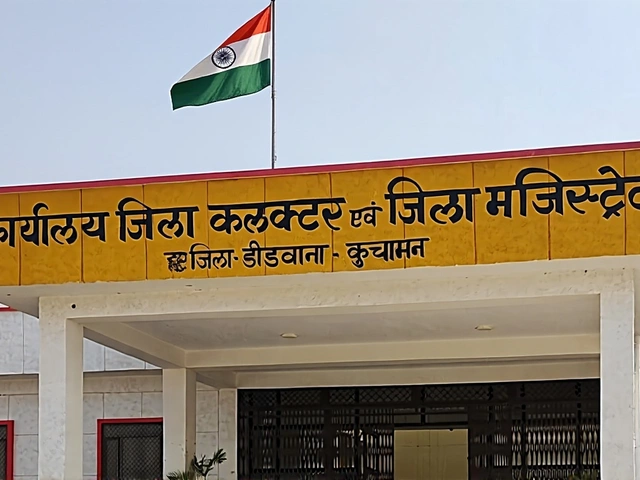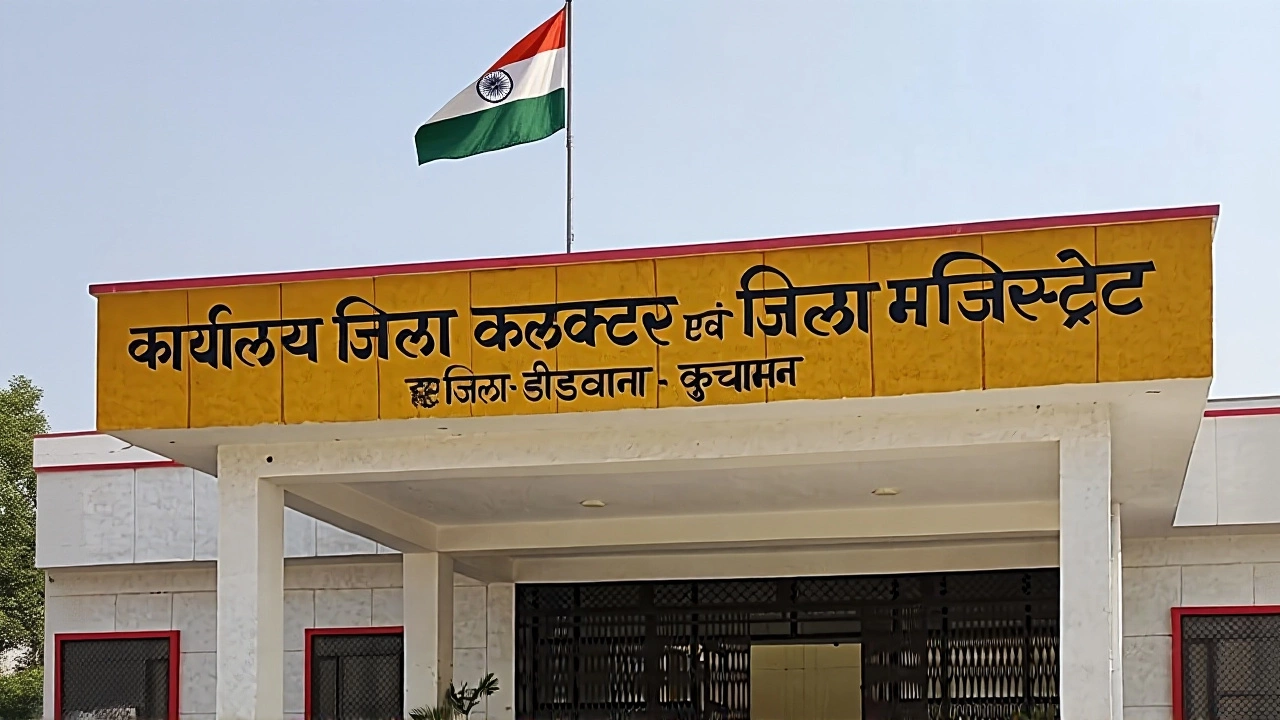
When The Food Department issued a strict directive banning the sale of petrol and diesel in open containers, it signaled a major crackdown on India's underground fuel trade. The order explicitly states that selling these flammable petroleum products without "solid and valid reasons" constitutes illegal trading. This isn't just bureaucratic paperwork; it’s a direct response to rampant black marketing where citizens are paying exorbitant prices for fuel sold out of plastic bottles and unapproved drums.
The twist is that this ban applies across multiple states, with aggressive enforcement already underway in Bihar and Jharkhand. Authorities aren't waiting for complaints—they’re deploying officers directly to fuel stations to monitor compliance in real-time.
A Coordinated Crackdown Across States
Here’s the thing: this isn't an isolated incident. It’s a coordinated effort spanning state lines. In Saharsa district, Bihar, the local administration has gone all-in. According to reports from Prabhat Khabar, the District Magistrate held an urgent meeting with all petrol pump operators to discuss supply chain management. But they didn’t stop at talks.
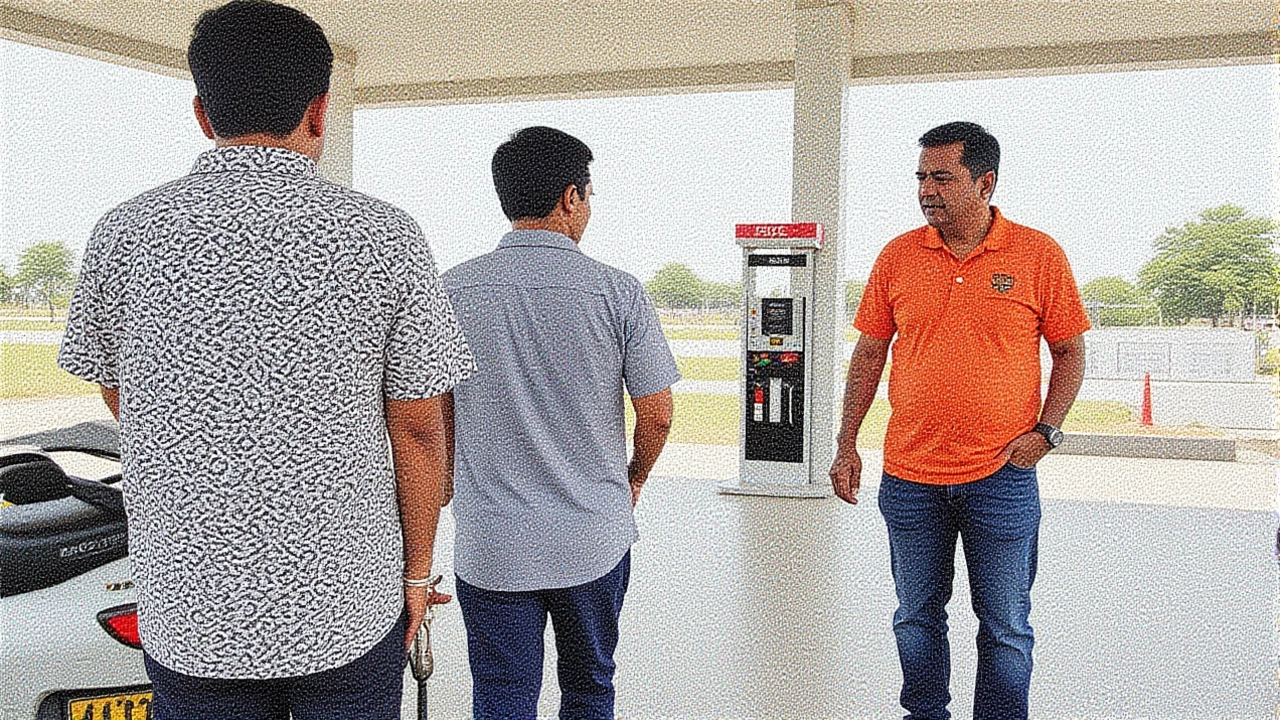
Effective immediately, judicial magistrates have been assigned to every single petrol pump in the district. Why? To ensure that no fuel leaves the station in unauthorized containers. The message is clear: if you can’t prove a legitimate reason for buying fuel in a drum or bottle, you’re breaking the law. The administration has classified such sales as outright illegal, paving the way for severe legal penalties.
Meanwhile, in Simdega district, Jharkhand, the approach is equally stringent. The Confidential Branch of the Sub-Divisional Office issued a public notice and order prohibiting both the illegal sale and storage of petrol and diesel in open vessels. By involving intelligence branches, authorities are signaling that they have inside information on where these illicit operations are happening.
The Black Market Reality: ₹130 Per Liter?
But wait—why is this such a big deal right now? Turns out, the black market is operating brazenly. A video report by Zee News exposed shocking scenes in Patna, the capital of Bihar. Reporters found pan (betel leaf) shops openly selling petrol in reused plastic bottles.
The price tag? Between ₹120 and ₹130 per liter. For context, the official government-subsidized rate is significantly lower. That’s a markup of nearly 50% or more depending on current retail prices. Customers were lining up, not because they wanted to, but because authorized pumps were either empty or restricted due to perceived shortages. The reporter noted that hoarding and black marketing were running "rampant," with sellers showing zero fear of detection.
This disparity creates a vicious cycle. Panic buying leads to artificial scarcity, which drives up black market prices, which in turn fuels more panic. By banning container sales, the administration aims to break this chain at the source.

Enforcement Mechanisms and Legal Backing
The details of the enforcement are getting tighter. The Food Department’s order clarifies that any vessel—be it a drum, bottle, or open pot—is off-limits unless there is documented proof of necessity (like industrial use or emergency vehicle repair). Without that paper trail, possession of fuel in such containers is presumed illegal.
- Immediate Deployment: Judicial officers are now physically present at pumps in Saharsa to verify transactions.
- Intelligence-Led Ops: Simdega’s confidential branch is tracking storage hubs, not just point-of-sale locations.
- Public Awareness: Notices are being circulated to inform citizens that participating in this trade carries criminal liability.
Experts suggest that while the intent is noble, the challenge lies in consistency. Can thousands of small towns maintain this level of scrutiny indefinitely? Or will the black market simply move deeper underground?
Broader Impact on Consumers and Economy
For the average commuter, this ban is a double-edged sword. On one hand, it promises fair pricing and curbs corruption. On the other, it raises concerns about accessibility during genuine emergencies. What happens if your car breaks down on a highway and the nearest pump is closed? The administration hasn’t fully clarified the exception protocols yet, leaving some ambiguity.
However, the economic impact is significant. Fuel smuggling costs the Indian economy billions annually in lost tax revenue. By plugging this leak, the government hopes to stabilize local markets and reduce the incentive for hoarders who profit from misinformation and fear.
What’s Next?
We’ll be watching how this plays out in the coming weeks. Will similar bans spread to other states like Uttar Pradesh or Maharashtra? Are there plans for digital monitoring systems at pumps to track bulk withdrawals? For now, the focus remains on Bihar and Jharkhand, where the heat is highest.
If you’re traveling through these regions, keep your receipts handy. If you need fuel for a generator or farm equipment, ensure you have documentation ready. The days of casual container purchases are officially over.
Frequently Asked Questions
Is it completely illegal to buy petrol in containers now?
Not entirely. You can still purchase fuel in containers if you have a "solid and valid reason," such as industrial usage or specific agricultural needs. However, you must provide documentation to prove this necessity. Casual purchases for personal vehicles or resale are strictly prohibited.
Why are prices so high in the black market?
Black market prices surge due to artificial scarcity created by hoarding and rumors of shortage. Sellers exploit panic among consumers who cannot get fuel at authorized pumps. In Patna, prices reached ₹120-₹130 per liter, far exceeding the regulated retail price, allowing traders to make massive profits.
Which areas are currently enforcing this ban most strictly?
The ban is being aggressively enforced in Saharsa district in Bihar and Simdega district in Jharkhand. In Saharsa, judicial magistrates are stationed at petrol pumps, while in Simdega, intelligence agencies are monitoring illegal storage facilities nationwide.
What penalties apply for violating this order?
Violations are classified as "illegal trading" under administrative orders. While specific fine amounts vary by state legislation, offenders can face confiscation of fuel, heavy fines, and potential imprisonment under essential commodities laws related to hoarding and black marketing.
How does this affect rural farmers?
Farmers using tractors or generators may need to carry proof of their equipment’s requirement for fuel. Authorities have indicated that legitimate agricultural use is exempt, but the burden of proof lies with the buyer. It is advisable to keep service records or ownership documents handy when purchasing in bulk.